Source Horizontal Corn Thresher for Grain Processing
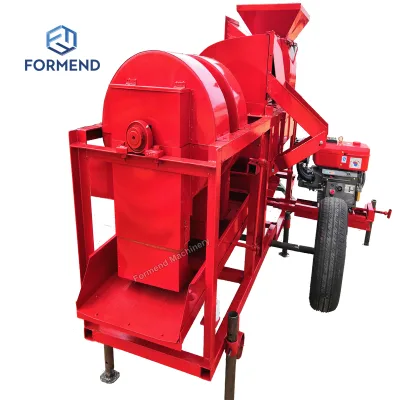
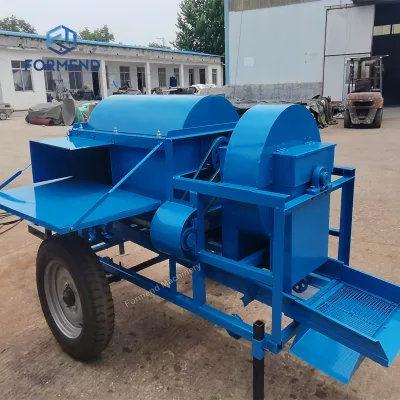
Find and compare 30 horizontal corn thresher models from verified suppliers. Evaluate specifications like 1.1kw power, 26kg weight, and 150kg/h production rates to select the right equipment for agricultural and livestock applications.
Key considerations
Products List


$44.00 - $46.00
Moq: 50




Comprehensive Sourcing Guide
Horizontal Corn Thresher Sourcing Guide
Sourcing agricultural machinery requires a disciplined approach to align technical capabilities with operational needs. The horizontal corn thresher represents a specialized category of equipment designed to separate kernels from cobs efficiently. Buyers must navigate a market where terminology can vary, ensuring that the selected machine matches the specific throughput and material handling requirements of the farm or processing facility. This guide provides evidence-based procurement advice for sourcing these machines, focusing on verified specifications, compliance, and supplier evaluation.
The procurement process for agricultural equipment involves more than just selecting a model; it requires a comprehensive understanding of the machine’s construction, power requirements, and intended application. By focusing on observable listing signals and technical verifications, buyers can mitigate the risk of purchasing equipment that fails to meet production goals. This guide outlines the critical steps for evaluating horizontal corn threshers, ensuring that the final acquisition supports long-term operational efficiency and reliability.
Product Scope and Observed Listing Signals
The observed market for corn threshing and related agricultural machinery displays a wide range of product attributes and pricing structures. Listings indicate a price range from 7.5 to 8000 USD, reflecting variations in machine size, power, and automation level. The minimum order quantity (MOQ) ranges from 1 to 240 units, suggesting that suppliers cater to both individual farm operators and larger commercial distributors. Buyers should interpret these ranges as indicative of the broader market rather than fixed parameters for every specific unit, as customizations and bulk discounts can significantly alter these figures.
Product listings reveal diverse machine types, including single screw bulking machines and rice mills, which may be part of a broader agricultural equipment catalog. Specific models such as 5TY-31-86 and HX-B001 are observed, with origins primarily in Hunan and Taizhou, China. These regions are known for manufacturing agricultural machinery, but buyers must verify the specific capabilities of each model. The presence of both "New" and "Customized" conditions indicates that suppliers offer both standard off-the-shelf units and tailored solutions, requiring careful evaluation of the customization process to ensure it meets specific operational needs.
Technical Specifications to Verify
Technical verification is critical when sourcing corn threshers, as performance metrics directly impact operational efficiency. Key specifications to verify include power source, voltage, and production capacity. Observed data points to electricity as the primary power source, with voltages such as 220V and power ratings like 1.1kw being common for smaller units. However, larger industrial models may require different electrical configurations. Buyers must confirm the exact voltage and power requirements to ensure compatibility with their facility’s infrastructure, avoiding costly retrofits or operational failures.
Material composition and physical dimensions are also essential verification points. Machines are often constructed from iron or carbon steel, with weights ranging from 20kg to 26kg for specific models. Package sizes vary, with some units measuring 703460cm and others 790650400mm. Buyers should verify the machine’s weight and dimensions to plan for transportation and installation. Additionally, production rates observed in listings, such as >150kg/H or 400kg/H, should be validated against actual performance data to ensure the machine meets the required throughput for the intended application.
Compliance and Safety Documentation
Compliance and safety documentation are non-negotiable aspects of agricultural machinery procurement. Buyers must request evidence of certifications, such as ISO9001, which indicates adherence to quality management standards. While specific safety certifications may vary by region, buyers should ensure that the machine meets local electrical and mechanical safety regulations. This includes verifying that the machine’s design incorporates necessary safety guards and emergency stop mechanisms, particularly for high-speed rotating components.
Documentation should also include detailed user manuals and maintenance guides. These documents provide critical information on operating procedures, troubleshooting, and routine maintenance schedules. Buyers should verify that the supplier provides documentation in a language accessible to their operators. Additionally, warranty terms and after-sales support policies should be clearly defined in the purchase agreement, ensuring that buyers have access to technical support and spare parts in the event of a malfunction.
Cost Drivers and Commercial Terms
Understanding the cost drivers for corn threshers helps buyers negotiate better commercial terms. Factors influencing price include the machine’s material quality, power rating, and production capacity. Higher-grade materials like carbon steel may increase the initial cost but offer greater durability and longevity. Similarly, machines with higher production capacities or advanced features, such as customization options, will command higher prices. Buyers should evaluate the total cost of ownership, including energy consumption and maintenance costs, rather than focusing solely on the purchase price.
Commercial terms such as payment methods, shipping arrangements, and lead times are also critical. Observed packaging options include carton packaging and export-standard packages, which can affect shipping costs and handling requirements. Buyers should clarify whether the quoted price includes shipping and insurance, and verify the lead time for production and delivery. For customized orders, lead times may be longer, so buyers should plan their procurement schedule accordingly to avoid production delays.
Supplier Qualification and Quality Control
Supplier qualification is a vital step in ensuring the reliability of the purchased equipment. Buyers should assess the supplier’s manufacturing capabilities, quality control processes, and track record. Suppliers located in regions like Hunan and Taizhou, China, may have established supply chains, but buyers should verify their production capacity and quality assurance protocols. Requesting factory audits or third-party inspection reports can provide additional confidence in the supplier’s ability to deliver consistent quality.
Quality control measures should be integrated into the procurement process. Buyers should specify acceptance criteria for the machine, including performance tests and visual inspections. It is advisable to include clauses in the purchase agreement that allow for pre-shipment inspections or third-party verification. This ensures that the machine meets the agreed-upon specifications before it leaves the supplier’s facility, reducing the risk of receiving defective or non-compliant equipment.
Long-Term Procurement Checks
Long-term procurement checks focus on the sustainability and supportability of the purchased equipment. Buyers should evaluate the availability of spare parts and the supplier’s commitment to after-sales service. Machines like the 5TY-31-86 or HX-B001 may have specific component requirements, so buyers should ensure that a steady supply of spare parts is available. This includes verifying the lead time for spare parts delivery and the cost of replacement components.
Additionally, buyers should consider the machine’s adaptability to future needs. As agricultural practices evolve, the ability to upgrade or modify the machine may be valuable. Buyers should inquire about the supplier’s ability to provide upgrades or modifications, such as changes to the screen mesh or power source. This flexibility can extend the machine’s useful life and ensure it remains relevant as operational requirements change. Regular maintenance and periodic performance reviews are also essential to maintaining optimal efficiency over time.
FAQs
What is the production capacity of the horizontal corn thresher?
The machine offers a production capacity exceeding 150kg per hour, with specific models achieving up to 400kg per hour. This throughput supports efficient processing for agricultural operations. The vertical design ensures stable operation during high-volume threshing tasks. Buyers should verify the exact model specifications to match their daily processing requirements.
Can the horizontal corn thresher be customized for specific needs?
Yes, customization is available for this equipment to suit particular operational requirements. The manufacturer offers tailored solutions to adapt the machine to different farm layouts or processing goals. This flexibility allows buyers to optimize their agricultural workflow. Specific customization options should be discussed directly with the supplier to ensure compatibility.
What is the power consumption of the corn thresher machine?
The machine operates on a 1.1kw power source, ensuring energy-efficient performance. It requires a 220V electricity supply for standard operation. This power rating balances processing speed with energy costs. Users should ensure their facility has the appropriate electrical infrastructure to support this voltage and wattage requirement safely.
What materials are used in the construction of the thresher?
The thresher is constructed from durable iron and carbon steel materials. These robust materials ensure longevity and resistance to wear during heavy agricultural use. The sturdy build supports the machine's vertical appearance and functional design. Buyers can expect reliable performance and reduced maintenance needs due to the high-quality material composition.
What are the package dimensions and weight of the machine?
The package size is approximately 70x34x60cm, with a gross weight of 20kg to 24.5kg per carton. The standard product dimensions are around 700x340x600mm. This compact packaging facilitates easier shipping and storage. The export-standard packaging ensures the machine arrives safely without damage during transit.
Where is the horizontal corn thresher manufactured?
The machine is manufactured in China, with specific origins noted in Hunan and Taizhou. These regions are known for producing agricultural machinery. Buyers can expect adherence to local manufacturing standards. The origin information helps in assessing shipping logistics and potential import duties for international orders.